
How to Ask Family and Friends for Help With Your Job Search

Help with Your Job Search

If daily life were more like the movies, getting a new job would take only about 10 minutes. You just wait for a family member to come along and make you a vice president in their company, or at least give you a chance to start out in the mailroom.

In reality, your loved ones may not be in a position to hire you. However, they can still be an excellent source of assistance and support.

It makes sense that anyone who cares about you would be eager to help. They may also have valuable suggestions because they know you so well.


Which Outdated Job Search Strategies Are Holding You Back?

Help with job search strategies

You’ll shorten your job search and receive more employment offers if you get rid of outdated strategies that could be holding you back. While some advice, like showing up on time and proofreading your materials, never goes out of style, there are other tactics that are no longer effective.

If you’ve been out of the job market for a while or you just want to maximize your opportunities, consider these job search strategies. They’ll help you update your game plan.

3 Basic Job Search Strategies You May Be Overlooking

Basic Job Search Strategies

When you’re looking for a job these days, installing the newest recruitment app or learning the most popular programming language may be the first thing that comes to mind. While these tactics are valuable, it also pays to remember simple steps that can be overshadowed by the latest trends.

Increase your chances of landing your dream job. Apply these 3 basic strategies to your employment hunt.

1.      Enhance Your Communications:

The internet has made it easier to apply for jobs and gather relevant information. However, you still need to communicate effectively both online and off.

  • Be professional. Understand the degree of formality expected in your industry. When in doubt, address others by their last names and avoid using slang.
  • Proofread and edit. Be meticulous about your cover letters, resumes, and other materials. Read documents forwards and backwards to catch typos. Ask a friend to look over your work so you can benefit from a fresh pair of eyes.
  • Respect the rules. Follow any instructions a potential employer provides. You may have a winning phone personality, but save it for later if they request no calls.
  • Prepare small talk. Interviewers often test your social skills as well as your technical abilities. Have some interesting stories and observations handy.
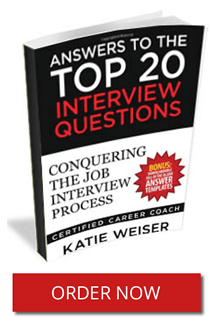
  • Rehearse your answers. Spend time practicing how you’ll introduce yourself and respond to common interview questions. Train with a friend or coach, or work in front of a mirror.
  • Connect offline. Seize any opportunity for face-to-face communications. A conversation over coffee is more memorable than an email. Attend networking events and schedule information interviews.